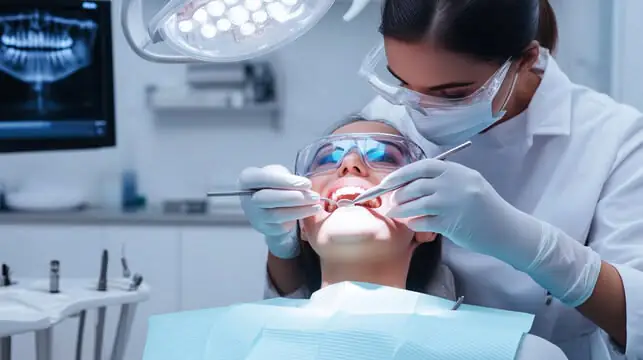

Clear Aligners in Modern Dentistry
Dentistry is a specialized branch of healthcare that focuses on diagnosing, preventing, and treating conditions related to the teeth, gums, and oral cavity. Beyond oral care, it also extends to the overall health of the head and neck region.
A large portion of the population experiences some form of tooth misalignment, such as crowding, spacing (gaps), or rotated teeth. These issues are typically addressed through orthodontic treatment, which includes braces, appliances, and retainers.
With advancements in dental technology, clear aligners have emerged as a modern and effective alternative to traditional braces.
What Are Clear Aligners?
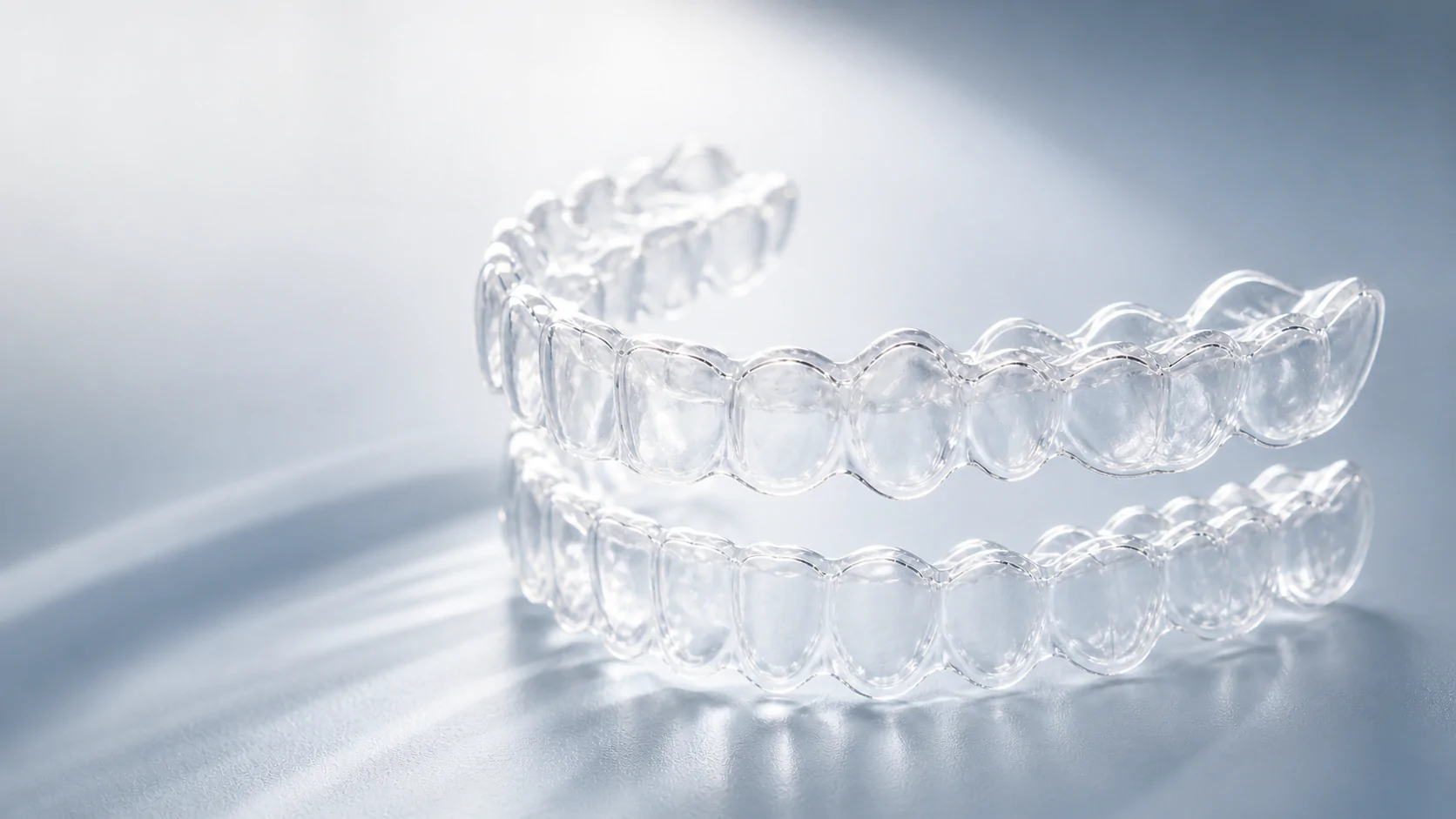
Clear aligners are thin, transparent, BPA-free, and biocompatible trays that are custom-made to fit your teeth. They work by applying controlled pressure to gradually move teeth into their correct position, effectively treating mild to moderate alignment issues.
They are designed for comfort, ease of use, and aesthetics—making them a popular choice for individuals seeking a discreet orthodontic solution.
Material Used in Clear Aligners
- BPA-free (Bisphenol A-free)
- Made from high-quality thermoplastic polyurethane resin
- Safe for oral use
- Biocompatible with teeth and gums
Unlike low-grade plastics, these materials do not pose health risks and are suitable for long-term intraoral use.
Advantages of Clear Aligners
- Easy to wear and remove
- Nearly invisible and aesthetically pleasing
- Comfortable with minimal irritation or ulcers
- Less painful than conventional braces
- Better oral hygiene maintenance
- No metal wires or brackets
- Effective tooth movement with improved comfort
- Reduced risk of root resorption
- High patient compliance
Why Choose Clear Aligners?
Clear aligners are ideal for individuals who prioritize comfort and appearance, especially those involved in public-facing roles. They eliminate the need for wires and brackets, reducing the chances of gum irritation and oral ulcers.
They provide results comparable to traditional braces but with greater ease and flexibility.
Clinical Indications for Clear Aligners
- Mild to moderate spacing (1–5 mm)
- Mild to moderate crowding (non-extraction cases)
- Cases requiring incisor extraction
- Deep overbite (Class II Division II)
- Narrow dental arches
- Mild molar distal movement
- Intrusion of one or two teeth
- Anterior crossbite
- Orthodontic relapse cases
Who Can Opt for Clear Aligners?
- Patients with fully erupted permanent teeth
- Individuals with dental (not skeletal) malocclusion
- Patients concerned about aesthetics
- Adults (excluding mixed dentition stage)
- Patients with orthodontic relapse
- Patients willing to follow instructions and maintain compliance
Limitations of Clear Aligners
- Severe crowding or spacing (>5 mm)
- Complex skeletal malocclusions
- Cleft lip and palate cases
- Mixed or primary dentition
- Orthognathic surgical cases
- Poor patient compliance
- Developmental tooth anomalies
- Severe gum disease or poor oral hygiene
- Cases involving dental implants requiring movement
- TMJ disorders or major bite discrepancies
- Severe rotations, open bites, or multiple missing teeth
- Uncontrolled systemic conditions (e.g., diabetes)
Cost and Affordability
Clear aligners are a cost-effective alternative to imported systems. Pricing depends on the complexity and duration of treatment and includes:
- No hidden charges
- Custom-designed aligners
- Complete treatment supervision
Flexible EMI options are available to make treatment more accessible.
Treatment Procedure
- Initial consultation and examination
- X-rays and diagnostic photographs (if required)
- Digital scans or impressions
- Treatment planning
- CAD-CAM design and fabrication (6–40 trays)
- Aligner delivery and attachments (if needed)
- Aligner replacement every 10–15 days
Post-Treatment Care and Precautions
- Clean aligners using mild soap or solution
- Avoid abrasive cleaners
- Wear aligners for 12–14 hours daily
- Remove aligners while eating or drinking (except water)
- Avoid hot, cold, or acidic substances while wearing aligners
- Maintain oral hygiene before reinserting
Conclusion
Clear aligners represent a modern, comfortable, and aesthetically appealing solution for orthodontic treatment. While highly effective, proper case selection and patient compliance are essential for the best results.